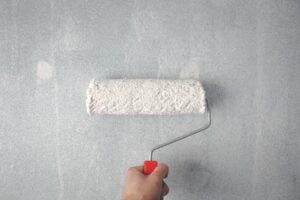
Fasadmålning är en effektiv metod för att fräscha upp ditt hus och förbättra dess estetiska utseende, samtidigt som det kan vara en kostnadseffektiv lösning jämfört med mer omfattande renoveringsprojekt. För att säkerställa bästa möjliga resultat är det dock viktigt att förstå processen, välja rätt material och följa rätt steg.
Fasadmålning börjar med en grundlig förberedelse av ytan som ska målas. Detta innebär vanligtvis en omfattande rengöring för att ta bort smuts, fläckar, mögel och andra orenheter som kan påverka färgens vidhäftning och livslängd. Högtryckstvätt är ofta det bästa verktyget för detta jobb, men det är viktigt att vara försiktig för att undvika skador på fasaden.
Efter rengöringen kan det vara nödvändigt att reparera eventuella skador på fasaden, som sprickor, flagnande färg eller skadad puts. Dessa reparationer bör göras noggrant för att säkerställa en jämn och stabil yta för den nya färgen.
Val av rätt färg och primer är också avgörande för ett framgångsrikt fasadmålningsprojekt. Färgen bör vara av hög kvalitet, väderbeständig och lämplig för den specifika typen av yta du målar. Primer hjälper till att förbereda ytan, förbättrar färgens vidhäftning och kan förbättra dess täckningsförmåga och hållbarhet.
Det är också viktigt att överväga den bästa tiden på året för fasadmålning. Idealiskt bör detta göras under torra, svala förhållanden för att förhindra att färgen torkar för snabbt och för att minska risken för regnskador. Våren och hösten är ofta de bästa tidpunkterna för detta arbete.
Användning av rätt verktyg och tekniker är också avgörande. Rollers, penslar och sprutpistoler kan alla användas för fasadmålning, men det bästa valet beror på typen av yta och de specifika kraven i projektet. Oavsett vilka verktyg du använder, är det viktigt att applicera färgen jämnt och noggrant för att undvika ränder, droppar och andra defekter.
Även om det är möjligt att genomföra ett fasadmålningsprojekt på egen hand, kan det vara fördelaktigt att anlita en professionell målare för jobbet. De kommer att ha den erfarenhet och kunskap som krävs för att uppnå bästa möjliga resultat, och de kommer att ha tillgång till professionella verktyg och utrustning som kan förbättra effektiviteten och kvaliteten på arbetet. Dessutom kan anlita en professionell frigöra din tid och minska stressen och besväret med att hantera ett stort hemprojekt på egen hand.
Även om fasadmålning kan vara en stor uppgift, finns det flera steg du kan ta för att minska kostnaderna och göra projektet mer överkomligt. För det första, genom att göra noggrann forskning och planering, kan du undvika dyra misstag och överraskningar. Genom att jämföra priser på färg och andra material kan du också hitta de bästa erbjudandena och minska dina utgifter.
Dessutom, genom att underhålla din fasad regelbundet och ta hand om mindre reparationer och underhållsuppgifter så snart de uppstår, kan du förhindra behovet av större, dyrare reparationer i framtiden. Och genom att välja en högkvalitativ färg kan du öka livslängden på din fasadmålning, vilket resulterar i lägre långsiktiga kostnader.
Även om det kan vara frestande att välja den billigaste färgen eller den första målaren du hittar, är det viktigt att tänka på kvaliteten på material och arbete. En dåligt utförd fasadmålning kan snabbt flagna eller blekna, vilket kräver kostsamma ommålningar. Dessutom kan användning av lägre kvalitetsmaterial leda till andra problem, som mögel eller fuktskador, vilket kan vara mycket dyrare att åtgärda i längden.
I allmänhet är fasadmålning ett effektivt sätt att fräscha upp ditt hus och förbättra dess utseende och värde. Det kan göras kostnadseffektivt om du planerar noggrant, gör grundlig förberedelse, väljer rätt material, och om möjligt, anlitar en professionell för att göra jobbet. Med rätt tillvägagångssätt kan du njuta av en vacker, långvarig finish som kommer att hålla ditt hus ser sitt bästa ut i många år framöver.
Men även om det är ett kostnadseffektivt alternativ, är det viktigt att komma ihåg att fasadmålning är mer än bara en estetisk förbättring. Det är också en viktig del av hemunderhållet, och kan bidra till att skydda din fastighet mot väder, skador och för tidigt åldrande. Genom att investera i regelbunden fasadmålning kan du inte bara hålla ditt hus ser bra ut, men också bidra till att bevara dess struktur och hållbarhet i lång tid framöver.